
For years, Indian families have been seeing sports as a hobby and not a career. Their advice was clear for their children which is to play sports for fitness but choose engineering or medicine or commerce.
That fate has changed now, we hope.
The sports industry in India has now become a multi billion dollar ecosystem employing many people across diverse roles from sports management and analytics to nutrition, media and event coordination. The industry is giving structured career pathways with nice salaries and growth potential.
If you are exploring career options as a student, graduate or working professional, we hope that this guide answers all your questions.
Is Sports A Long Term Stable Career In 2026?
Of course yes. Stability in sports careers seem to have fundamentally improved.
Indian sports are no more dependent only on cricket. Leagues like ISL and Pro Kabaddi, along with growing fitness awareness, have created year round employment. Sports organizations now work like businesses, hiring professionals for marketing, operations, digital media, athlete management and performance analysis.
The industry generates revenue through broadcasting rights, sponsorships, merchandise, fitness memberships, and digital content. Each stream requires specialized professionals, analysts, marketers, operations managers, trainers, and coordinators.
Government initiatives like Khelo India along with private investments, have expanded the ecosystem. Sports authorities and corporate programs now employ professionals in both coaching and administration.
Career longevity is also one another advantage. While athletes may retire early, professionals in management, coaching, nutrition, analytics and media mostly work until their 50s and 60s. Experience adds value.
But in reality sports careers offer the same stability as IT, finance or marketing, with the right skills and credentials.
What Is The Earning Potential In Sports Careers?
Sports industry salaries vary based on role, experience, location and employer type. Here's a realistic look at earning potential.
1. Entry-Level Positions (0 to 2 Years): Fresh graduates in job roles like operations coordinator or assistant coach or junior analyst can get ₹3 to 6 LPA. These roles provide foundational experience and networking opportunities.
2. Mid-Level Positions (3 to 7 Years): Professionals with very great skills, such as sports marketing manager, performance analyst, nutritionist or fitness center manager, can get between ₹6 to 15 LPA.
3. Senior-Level Positions (8+ Years): Leadership roles like general manager of franchises, director of performance or CMO in sports organizations get ₹15 to 30 LPA or more. These involve strategic decisions, team leadership and stakeholder management.
Specialized High-Demand Roles:
- Sports Data Analysts: ₹8 to 20 LPA
- Sports Psychologists: ₹6 to 18 LPA
- Sports Marketing Strategists: ₹7 to 20 LPA
- Esports Managers: ₹5 to 15 LPA
- Fitness Business Managers: ₹4 to 12 LPA
Freelance And Entrepreneurial Income: Independent consultants, coaches, nutritionists and content creators can get ₹5 to 20+ LPA depending on client base and reputation.
The reality: Sports industry salaries are competitive with other professional sectors. Success depends on skill specialization, credentials, and consistent development.
Is A Sports Career Only For Athletes?
No, not at all. The majority of sports industry jobs do not need athletic ability.
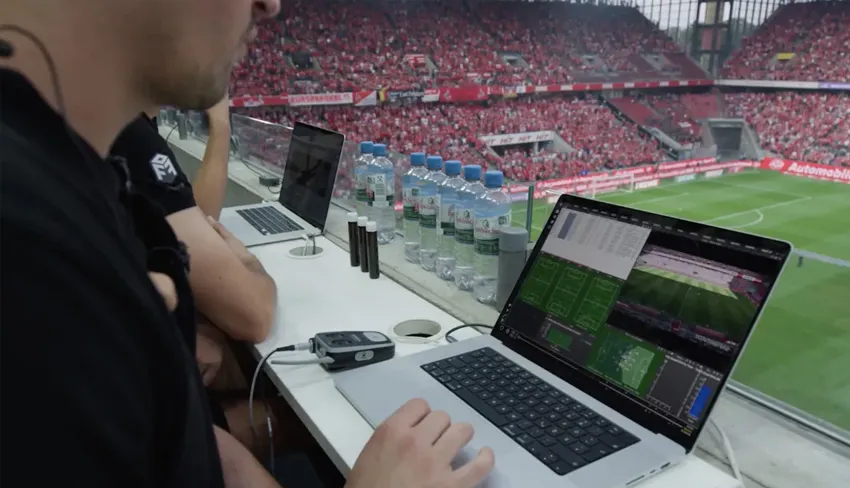
For every athlete on the field dozens of professionals work behind the scenes including managers, coaches, analysts, nutritionists, marketers, media personnel, event coordinators and operations teams. Think of an IPL franchise. It employs team managers, data analysts, physiotherapists, coaches, media managers, sponsorship executives and content creators. None requires or expects you to be a professional cricketer.
Sports organizations work like businesses, needing professionals who understand budgeting, marketing, operations and strategic planning. A commerce graduate can become a sports marketing manager. A psychology graduate can even work in sports psychology. A journalism graduate can cover sports. Your academic background matters more than playing experience.
Technical roles like sports analytics, performance science and nutrition are knowledge intensive, not physically demanding. Data analysts use statistical software. Nutritionists design meal plans based on science. These roles are in need of education and training, not athletic prowess.
While playing experience provides insights, it is not required. What matters is understanding the sports ecosystem, willingness to learn and professional contribution. The most successful people combine domain knowledge with professional skills.
You should know that sports careers are for anyone with the right skills, education and commitment and athletic ability is optional for most roles.
What Are The Growth Opportunities In Sports Careers?
Career growth in sports needs clear pathways based on skill development, credentials and experience.
Vertical Growth: Most roles give hierarchical progression. Assistant coaches become head coaches. Junior analysts become lead analysts. Marketing executives become department heads. Promotions depend on performance, certifications and experience.
Horizontal Growth: Professionals often diversify their expertise. Fitness trainers learn nutrition. Sports marketers add digital strategy. Coaches gain psychology certifications. Cross functional knowledge increases value and opportunities.
Entrepreneurial Opportunities: Experienced professionals start sports academies, fitness studios, marketing agencies, content platforms or consulting practices. Entrepreneurship offers income scalability and creative freedom.
International Opportunities: Indian professionals increasingly work with international teams and organizations. Roles in management, analytics and coaching are globally mobile especially with recognized certifications.
Industry Transitions: Skills are transferable. Sports managers can move into corporate event management. Sports marketers can transition to mainstream digital marketing. Performance coaches can work in corporate wellness.
Sports careers offer multiple growth trajectories which needs continuous learning, networking and performance.
What Are The Mandatory Skills For Sports Career Success
A few competencies are universally valuable across sports roles:
1. Communication: Clear interaction and relationship building are essential for managing athletes, coordinating events or creating content.
2. Business Acumen: Understanding budgets, revenue models and operations helps strategic contribution.
3. Adaptability: Sports environments demand quick thinking, pressure handling and problem solving.
4. Digital Literacy: Social media and data analysis tools are integral to modern operations.
5. Continuous Learning: Staying updated through certifications and industry engagement is critical.
How To Build A Successful Sports Career?
1. Pick Career Focused Education: Programs emphasizing practical learning, industry mentorship and real world projects provide foundational credibility. Avoid purely theoretical courses.
2. Get Hands On Experience: Internships, volunteer work and project based learning help you understand workplace dynamics and build portfolios.
3. Grow Professional Networks: Attend industry events, connect on LinkedIn and engage with sports communities. Networking opens doors to opportunities and mentorship.
4. Develop Unique Skills: Focus on excelling in one area like analytics, marketing, coaching or event management. Specialization increases employability and compensation.
5. Get Practitioner Mentorship: Learning from working professionals provides insights that textbooks cannot offer and accelerates growth.
Why Pick Sports As A Career In 2026?
1. Industry Growth: The Indian sports industry is expanding significantly. Increased media rights, sponsorships, government initiatives and fitness awareness drive job creation and better salaries.
2. Multiple Career Options: Sports offers roles in management, science, media, technology and business, matching various strengths and interests.
3. Meaningful Impact: Whether helping athletes perform better, promoting fitness or creating content, your work has a visible purpose.
4. Dynamic Environment: The fast moving industry offers new challenges, events and opportunities constantly.
5. Passion Meets Profession: If you enjoy sports, building a career around them offers long term satisfaction and fulfillment.
It Is Time For You To Start Your Professional Journey In Sports
The sports industry needs preparation, skills and professional readiness. Picking the right education and gaining relevant experience are critical first steps.
Nexpert School of Sports & Fitness gives career focused programs that prepares you for real world roles. Our courses combine academic learning with industry mentorship, practical projects and organizational exposure.
Whether you are interested in sports management, fitness business operations, performance coaching, digital marketing or esports our programs equip you with employer valued skills and credentials.
Ready to turn your interest in sports into a sustainable career?
ExploreOur Bachelor's & Certification Programs.](/course/bachelor-of-sports-management)
FAQs
1. Is a career in sports stable in 2026?
Yes, the industry now offers stable jobs due to leagues, media rights and growing investments.
2. What is the salary range in sports careers?
Entry-level roles earn ₹3–6 LPA, while senior roles can go ₹15–30 LPA or more.
3. Can non-athletes build a career in sports?
Absolutely, most roles are off-field like management, analytics, marketing and media.
4. What are the growth opportunities in sports careers?
You can grow vertically (promotions) or horizontally by adding new skills and specializations.
5. What skills are essential for success in sports careers?
Key skills include specialization, networking, practical experience and industry knowledge.
6. Is there scope for entrepreneurship in sports?
Yes, professionals can start academies, fitness centers or sports-related businesses.
7. Why should I choose sports as a career?
It offers diverse roles, good earning potential, dynamic work and a chance to turn passion into a profession.